%20(1200%20x%20237%20px)%20(300%20x%2059%20px).webp)
Let’s start with the harsh truth.
America is overwhelmingly car-based.
Not as a preference, but as a default setting.
In 2022, 86.8% of trips in the U.S. were made by personal vehicle, and 82.8% of person-miles traveled were by personal vehicle. That means cars, trucks, and similar private vehicles dominated how people moved around in 2022. Far more than walking, transit, biking, or any other mode of transportation.
But this isn't a sign of how much people love cars. Rather it's a reflection of a system that makes transit alternatives hard.
Commuting tells the same story. In 2022, 68.7% of workers drove alone to work, while only 3.1% used public transportation.
So when planners say “we can reduce car dependence,” a lot of people hear:
“You want to take away the only way I know how to function.”
Even if that’s not what we mean.
Walkable urbanism exists, but it’s rare and clustered
We do have walkable places in the U.S. They’re just limited, and often treated like special districts rather than a normal way to build.
One of the strongest indicators comes from Smart Growth America’s Foot Traffic Ahead 2023, which found that 6.8% of the U.S. population (within the 35 largest metro areas) lives in “walkable urban places,” and those places make up only 1.2% of land area in those metros.
Read that again.
A small slice of land holds a meaningful share of people and economic activity.
And most of the metro landscape is still built in a way that makes walkability the exception.
This is why planners sound “idealistic” to some residents.
They aren’t rejecting the idea.
They’re rejecting the leap of faith.
TOD is hard to sell when most people only know “park-and-ride”
A lot of Americans hear “TOD” and imagine one of these:
- A big apartment building next to a six-lane road
- A train station surrounded by parking
- A bus stop with no sidewalk leading to it
That’s not TOD. That’s a transit sticker slapped on top of car-first land use.
Real TOD feels like this:
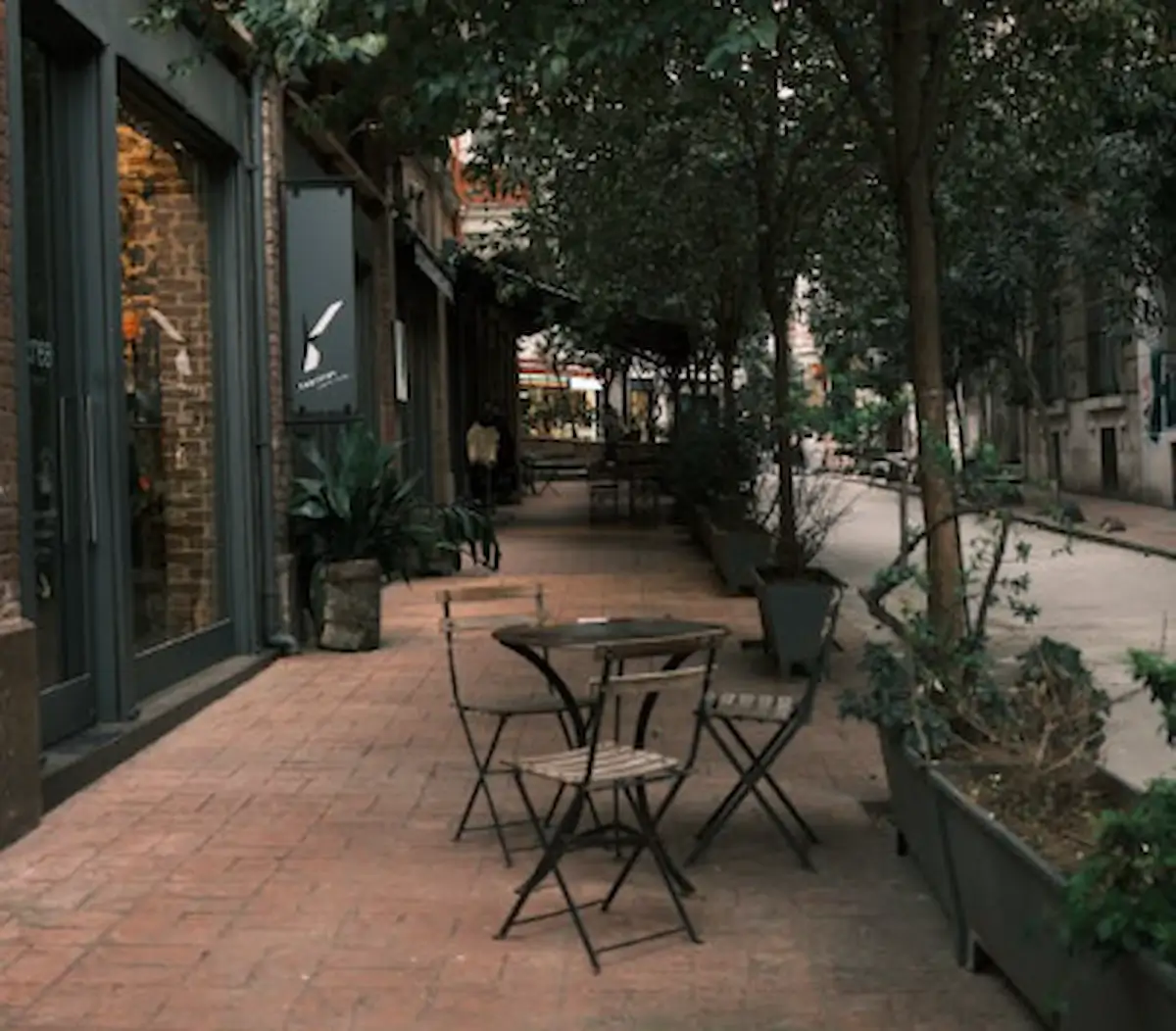
You exit transit and you’re immediately in a place.
Sidewalks connect. Buildings face the street. Daily needs are nearby. Speeds are lower. You don’t have to “survive” the last half-mile.
But if someone has never experienced that, their brain fills the gap with what they have experienced.
Traffic. Crime fears. Parking panic. “Where will the cars go?”
The classics.
Complete streets hit a cultural nerve for the same reason
Complete streets often trigger comments like:
“Why are we wasting money on bike lanes?”
“No one walks here.”
“That will make traffic worse.”
Sometimes those comments come from real concerns.
Sometimes they come from unfamiliarity.
If the only streets you’ve known are designed like mini-highways, a street designed for people can feel “wrong” at first. It’s almost like stepping into a quiet library after living next to a freeway.
Your brain is suspicious.
So how do we reach people who can’t imagine it?
This is the part planners can control. Or at least try to.
If the experience gap is the problem, the solution is exposure.
Not lectures. Not jargon. Not a 97-page PDF.
Exposure.
Show it, don’t just describe it
Before-and-after visuals work because they bypass technical language.
Things like street cross-sections, quick renderings, short videos. Simple “here’s what changes” graphics.
It may seem like we are dumbing things down. But we're not. Rather, we're translating.
Build temporary versions people can try
Pilot projects are powerful because they turn fear into feedback.
Pop-up bike lanes. Weekend street closures. Temporary curb extensions. Painted plazas. Outdoor dining. Quick-build bus lanes.
People argue with theories and complex explanations. But they react honestly to reality.
Host “walk audits” and guided tours
Take people outside. Walk the corridor.
Ask questions while standing in the problem.
“Where would you cross?”
“Would you let a kid bike here?”
“What happens when it rains?”
Planning becomes real, fast, when you’re staring at a missing curb ramp.
Tell stories, not just outcomes
Instead of “this improves multimodal safety,” try:
“This makes it possible for a teenager to get to work without begging for rides.”
“This gives an older adult a way to reach the grocery store safely.”
“This lets a family go out without turning every trip into a parking mission.”
Stories build understanding without triggering people’s defenses.
Name the tradeoffs clearly
People don’t trust plans that sound like magic.
If parking is reduced, say where demand will go and how it’s managed.
If travel lanes change, show what the new operations look like.
If density increases, explain the benefits and the infrastructure plan.
Confidence comes from specifics.
The real takeaway
As planners, we need to understand that we are not just advocating for or designing streets and land uses. We’re designing futures people have never experienced.
That means our job is partly technical. But more importantly, it’s also deeply human.
We have to help people feel what the plan is trying to do, before we ask them to support it.
Because once someone experiences a place where daily life is easier, safer, and more connected…
they rarely want to go back.