%20(1200%20x%20237%20px)%20(300%20x%2059%20px).webp)
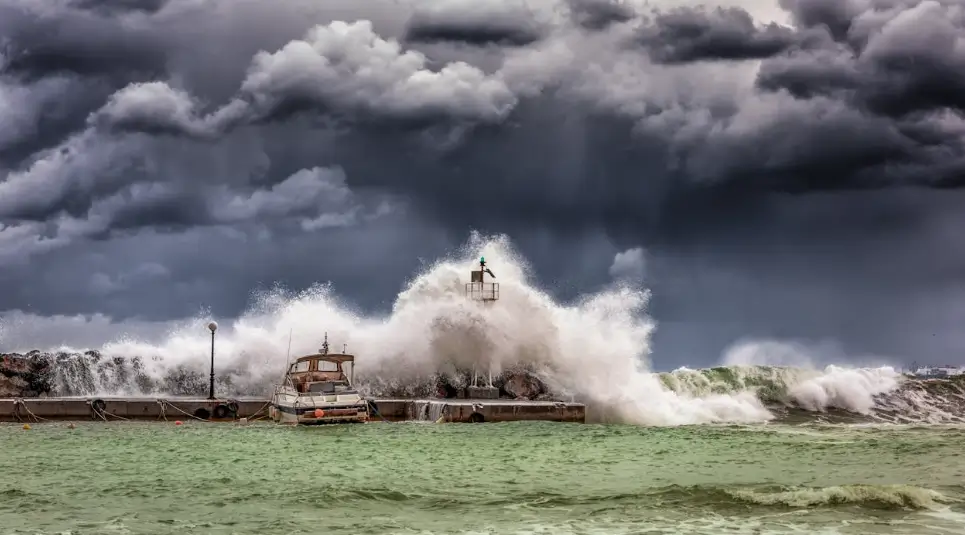
Every time a major hurricane makes landfall, the same argument shows up.
Why do people live there?
At some point, shouldn’t we stop rebuilding and move inland?
On the surface, it sounds logical. Coastal storms cause massive destruction. Lives are lost. Entire neighborhoods flood. Insurance costs explode. Public money pours in again and again to rebuild roads, utilities, and homes that may flood next year too.
So why does coastal population growth keep climbing?
Because risk isn’t the only thing people are choosing.
Start with the obvious one.
Jobs.
Coastal cities are economic engines. Ports, tourism, logistics, finance, tech, energy, healthcare. Miami, Tampa, Houston, New Orleans, Charleston, San Diego, Los Angeles, New York. These aren’t just beach towns. They’re job centers with global connections. For many people, moving inland means fewer opportunities, lower wages, or fewer industries altogether.
People don’t just move for weather.
They move for work.
Then there’s access.
Ports still matter. A lot.
The U.S. economy runs through coastal infrastructure. Shipping, trade, and supply chains depend on it. Cities formed around that access long before hurricanes were part of the national conversation. Once a city is built, with millions of residents and trillions in assets, it doesn’t just pack up and leave because risk increases. It adapts. Or at least tries to.
And adaptation creates a powerful illusion.
Levees. Seawalls. Pumps. Elevated roads. Hardened buildings. Updated flood maps. New construction standards. Each improvement sends a quiet message: We’ve got this under control.
Even when the risk is still there.
In many places, people don’t experience hurricanes as constant disaster. They experience long stretches of normal life, interrupted occasionally by a storm. Memory fades. New residents arrive without lived experience of past destruction. The danger feels abstract until it isn’t.
There’s also culture and identity.
Coastal cities sell a lifestyle.
Water. Views. Breeze. Light. Walks by the bay. A sense of openness you don’t get inland. For some people, that quality of life outweighs long-term risk, especially if they believe insurance, government aid, or engineering will catch them when things go wrong.
And often, they’re not wrong.
Federal disaster aid, subsidized flood insurance, and state-funded rebuilding reduce the personal cost of staying put. The financial risk is spread across taxpayers, not fully borne by the individual homeowner. That changes behavior. If rebuilding is expected, retreat feels unnecessary.
From a planning perspective, this is the core tension.
We say people should move.
But the system keeps making it rational not to.
Zoning allows rebuilding in flood-prone areas. Infrastructure is repaired instead of relocated. Insurance is available even where risk is rising. Local governments rely on coastal tax bases and tourism revenue. Pulling back would mean shrinking budgets, lost jobs, and political backlash.
So instead of retreat, we double down.
There’s also a simple human truth here: people discount future risk.
A hurricane that might happen in ten years doesn’t feel as urgent as a job offer today, a cheaper condo now, or family already living there. Risk tolerance varies wildly. Some people avoid it entirely. Others accept it as part of the deal, the same way people accept wildfire risk, earthquakes, tornadoes, or extreme heat elsewhere.
Every region has its hazard.
What makes coastal cities different is visibility.
When disaster hits, it’s dramatic. Televised. Measured in billions. That visibility fuels the argument that living there is irrational, even though people routinely live with quieter risks elsewhere.
The uncomfortable truth is this:
People aren’t just choosing coastlines.
They’re choosing systems that still reward staying.
Until insurance reflects true risk, until rebuilding isn’t automatic, until zoning stops encouraging repeat exposure, and until inland regions offer comparable opportunity and quality of life, people will keep moving to the coast.
Not because they don’t understand hurricanes.
But because the incentives tell them it still makes sense.
The real question isn’t why do people live there?
It’s this:
Why do our policies keep making it the easiest option?