%20(1200%20x%20237%20px)%20(300%20x%2059%20px).webp)
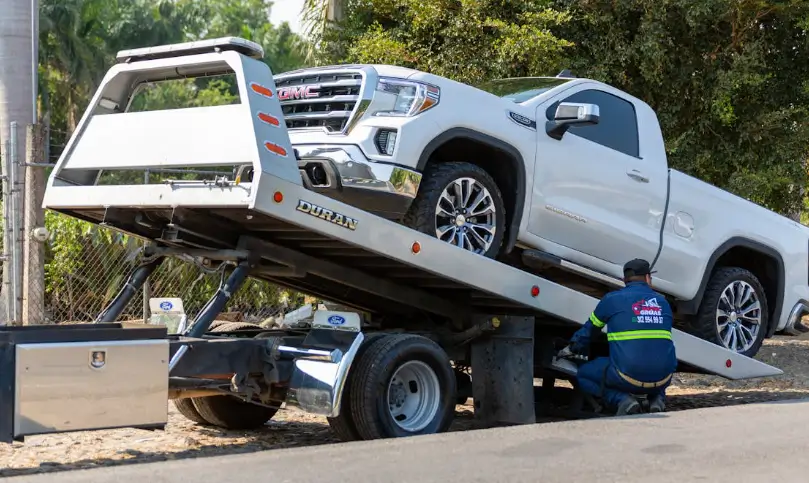
As I have written before, no one is coming for your car.
Not in Massachusetts.
Not through this bill.
Not quietly, not indirectly, not through a secret loophole.
Yet if you read the headlines or scroll social media, you’d think a new law is about to tell people how many miles they’re allowed to drive, or punish them for using their own vehicle.
That reaction didn’t come out of nowhere.
But it also isn’t grounded in what the bill actually says.
So let’s slow this down and talk plainly about what Massachusetts is proposing, why it exists, and why the conversation around it matters far beyond one state.
What the Bill Is Actually About
The proposal, often described as a bill to “limit driving,” is legislation that would require the state to set goals for reducing Vehicle Miles Traveled (VMT) over time.
VMT is exactly what it sounds like.
The total number of miles driven by all vehicles in a region.
The bill would direct Massachusetts Department of Transportation to:
- Establish statewide targets to reduce overall driving mileage
- Regularly update those targets
- Align transportation planning with Massachusetts’ existing climate laws
- Coordinate across agencies to invest in alternatives to driving
That’s it.
There are no mileage caps for individuals.
No fines for driving too much.
No tracking of personal trips.
No requirement that anyone stop driving to work, school, or the grocery store.
The bill is about planning and investment, not enforcement.
Why This Exists in the First Place
Transportation is the largest source of greenhouse gas emissions in Massachusetts, a fact that shows up in the state’s own climate data.
Massachusetts already has legally binding climate targets on the books. The state is required to reduce emissions over time, and transportation is the hardest sector to tackle.
But, here’s the uncomfortable truth planners don’t always say out loud:
You cannot meet climate goals by only switching to electric cars.
EVs help.
They matter.
But they don’t solve congestion, land consumption, infrastructure costs, or inequity.
So states are increasingly looking at how much driving is required by design, not just what powers the vehicles.
That’s where VMT comes in.
Reducing VMT doesn’t mean banning cars.
It means reducing how often people are forced to drive because there are no alternatives.
Why the Backlash Is So Intense
The reaction to this bill tells us something important.
People don’t trust transportation policy.
And honestly, they have reasons.
For decades, planning decisions were made for people, not with them. Highways cut through neighborhoods. Transit promises were broken. Car dependency was treated as inevitable rather than designed.
So when people hear “reduce driving,” what they hear is:
“They’re going to take something away.”
That fear is emotional and dismissing it doesn’t help.
But here’s where the conversation goes wrong.
Critics often jump straight from “set VMT targets” to “government control of personal behavior.”
That leap skips the actual mechanism of the bill.
This legislation does not tell individuals how to travel.
It tells the state how to prioritize investments.
There’s a big difference.
What Reducing VMT Really Looks Like in Practice
Reducing overall driving mileage happens indirectly, not through punishment.
It happens when:
- Housing is allowed closer to jobs
- Transit runs frequently enough to be useful
- Walking doesn’t feel dangerous
- Trips are shorter by design
- People can combine errands instead of driving miles between them
In other words, it happens when daily life requires fewer car trips, not when people are scolded for driving.
A family that can walk to school twice a week reduces VMT.
A worker who can take transit some days reduces VMT.
A senior who can reach services without driving reduces VMT.
None of those require anyone to give up their car.
The Real Issue: We Don’t Actually Have Choice Right Now
This is the part that gets lost in the debate.
In much of the U.S., driving is fails to be a choice and becomes more of an obligation.
Lose access to a car and you lose access to work, healthcare, food, and community. A fact that underscores how fragile our transportation system is.
A legitimate and resilient transportation system gives people redundancy.
it allows people to use their cars when they make sense. It allows for transit when it works better. It encourages walking when it’s pleasant and biking when it’s safe.
Right now, many regions have only one mode that reliably works, the car. Everything else is symbolic.
Advocating for transit, land use reform, or walkability is not anti-car, It’s anti-no-options.
Where the Critics Are Right to Be Skeptical
With that said, not everything is perfect with this bill and I won’t pretend it is.
Setting targets without building alternatives is a problem.
If a state talks about reducing driving but doesn’t fund transit meaningfully, allow housing near destinations, address rural realities, and improve reliability then people are right to push back.
Planning goals without delivery create distrust.
And too many communities have seen that movie before.
The bill itself doesn’t solve those issues.
It creates a framework that could address them. That's if paired with real investment and honest communication.
Why This Conversation Matters Beyond Massachusetts
Massachusetts is not unique.
Other states are looking at VMT. States are dealing with road expansions that keeps failing. There are also maintenance costs that add an ever increase budget line item to budgets. Climate mandates are real, car-only systems are breaking down.
This debate is really about a bigger question:
Do we want transportation systems that give people choices, or systems that lock people into one expensive, fragile option?
Framing this as “car vs. transit” misses the point.
The real issue is resilience.
A system that only works if everyone drives all the time is not resilient. It’s vulnerable to fuel prices, supply chains, aging populations, and economic shocks.
The Bottom Line
No, Massachusetts is not banning cars.
No, this bill does not cap how much you can drive.
No, transit advocates are not secretly trying to control your life.
What is happening is a long-overdue reckoning with a system that forces driving by default and calls it freedom.
You don’t lose freedom when you gain options.
You gain it.
The real question isn’t whether we should reduce driving.
It’s whether we’re willing to build places where reducing driving is even possible, without punishing the people who have no choice today.
That’s a planning question worth arguing about.
And it deserves more honesty than a headline can give it.