%20(1200%20x%20237%20px)%20(300%20x%2059%20px).webp)

Most people think blood pressure is a personal problem.
Too much salt.
Not enough exercise.
Bad genetics.
End of story.
But that’s only part of it.
Where you live quietly shapes your body long before you make a single “health choice.”
And most cities in America are designed in ways that push blood pressure up, not down.
Think about your average day.
You wake up already watching the clock.
You get in the car.
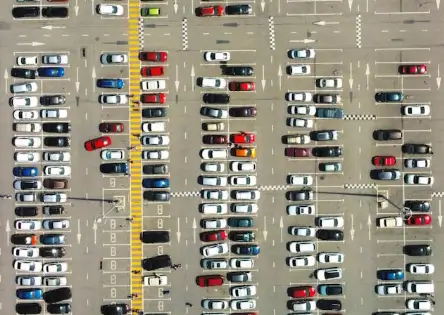
Traffic is unpredictable. Someone cuts you off. A red light stretches longer than it should.
You grip the steering wheel. Your shoulders tighten. Your breathing gets shallow.
You do this twice a day.
Five days a week.
For years.
That painful scenario is chronic stress built into the layout of your city.
Medical research has been clear for a while now. Chronic stress raises blood pressure. It keeps your body in a low-grade fight-or-flight state. Cortisol stays elevated. Heart rate variability drops. The cardiovascular system never really gets to rest.
Now here’s the planning connection most people miss.
Sprawl doesn’t just cost money.
It costs calm.
Car-dependent environments force you to multitask constantly. You’re navigating traffic, signage, parking, and time pressure all at once. There’s no mental break. Even short trips demand full attention. That constant vigilance adds up.
Compare that to a walkable neighborhood.
You step outside.
Your pace slows naturally.
Your eyes move. Trees, storefronts, people, dogs, sunlight.
You’re still moving, but your nervous system isn’t on high alert.
That difference matters.
Multiple studies have linked walkable neighborhoods to lower rates of hypertension, obesity, and cardiovascular disease. People who live in areas with connected streets, sidewalks, nearby destinations, and green space consistently show better health outcomes.
Not because they’re more disciplined.
Because their environment reduces friction.
In a walkable place, movement is built into daily life.
You walk to the store.
You walk to dinner.
You walk because it’s easier than driving.
That kind of low-intensity, frequent movement is exactly what doctors recommend for blood pressure control. And it happens without a gym membership or a fitness plan.
Green space plays a role too.
Trees aren’t just pretty. They reduce urban heat, absorb noise, and visually soften hard environments. Exposure to greenery has been shown to lower heart rate and blood pressure within minutes. Even short views of trees or parks can trigger a relaxation response.
Now think about how many neighborhoods have none of that.
No sidewalks.
No shade.
No destination within walking distance.
Just wide roads designed to move cars fast.
Those roads come with noise. Tire friction. Engines. Acceleration. Honking.
Noise pollution alone has been linked to increased blood pressure and higher risk of heart disease.
Again, not a personal failure.
A design choice.
And then there’s time.
Sprawl steals time quietly. Longer commutes eat into sleep, exercise, cooking, and rest. Sleep deprivation alone is a major risk factor for hypertension. When cities require long drives for basic needs, they compress everything else.
You don’t skip the walk because you’re lazy.
You skip it because you’re exhausted.
Urban design decides how much margin you have in your day.
This is why telling people to “just make better choices” misses the point.
Yes, individual behavior matters.
But behavior doesn’t happen in a vacuum.
A city that makes walking unsafe, transit inconvenient, and daily life car-dependent is actively working against public health goals. No amount of health messaging can fully overcome that.
This is also why health disparities map so cleanly onto geography.
Neighborhoods with fewer sidewalks, fewer trees, fewer grocery stores, and more traffic exposure tend to show higher rates of hypertension and heart disease. Those patterns aren’t random. They reflect decades of planning decisions about where investment went and who it served.
Planning is upstream healthcare.
Zoning codes decide whether you can live near daily needs.
Street design determines stress levels.
Land use policy shapes how much time people spend sitting in cars.
Doctors treat the symptoms.
Cities shape the causes.
And this isn’t about turning every place into Manhattan.
Small towns can be walkable.
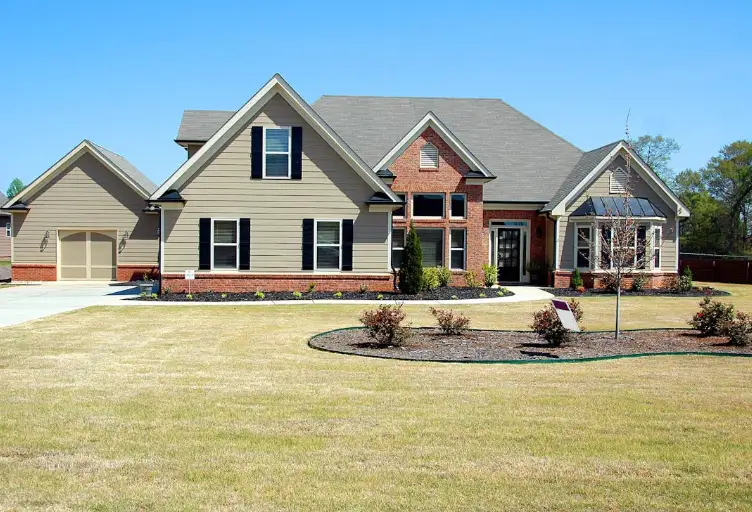
Suburbs can retrofit.
Streets can slow down.
Trees can be planted.
Destinations can be allowed closer together.
These are design choices, not fantasies.
The goal isn’t perfection.
It’s reducing background stress.
Lowering blood pressure doesn’t always start with a prescription. Sometimes it starts with a sidewalk, or a shorter trip, or a place where your body doesn’t feel under attack all day.
So the next time someone talks about health as a purely personal responsibility, zoom out.
Look at the roads.
The distances.
The noise.
The lack of options.
Your blood pressure might be telling you something about your city.
And that’s a planning problem whether we admit it or not.